Understanding Jueteng: A Deep Dive into the Controversial Gambling Phenomenon
History of Jueteng
Jueteng, an illegal numbers game, has been an enduring part of the Filipino culture, with roots tracing back to the Spanish colonial period. It is a form of gambling that has persisted through centuries, evolving with the changing tides of governance and society in the Philippines. Despite its illicit status, jueteng remains embedded in the daily lives of many Filipinos, thriving in both urban and rural areas.
The game started in the 19th century, closely linked with the arrival of Chinese immigrants who introduced it to the local communities. Over time, it integrated into the local customs, becoming a staple form of entertainment and a significant source of income for those involved. Today, jueteng operators often collaborate with corrupt officials to circumvent legal consequences, highlighting the complexity of addressing this widespread issue.
The Mechanics of Jueteng
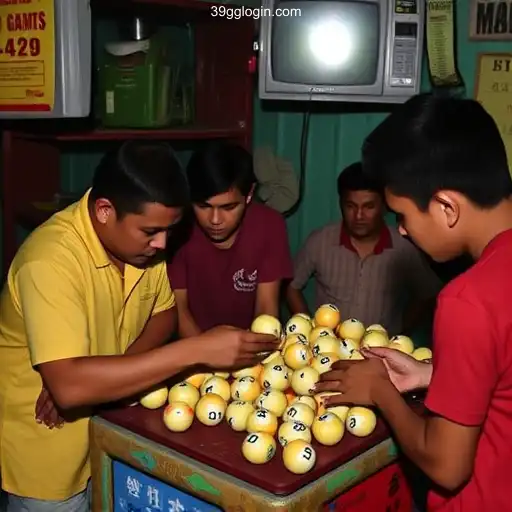
The mechanics of jueteng are simple yet effective, making it accessible and appealing to a wide audience. The game revolves around the betting on number combinations, typically ranging from two to three digits. Bets are collected by "cobradores" or collectors, who gather wagers from bettors within a community. The winning numbers are drawn daily through a crude method involving balls with numbers inside a tambiolo, a container used to shuffle and draw them.
While the bets are often minimal, usually just a few pesos per combination, the allure of jueteng lies in its payout, which can exponentially multiply the initial wager. This gambling dynamic provides not just a sense of hope but a tangible opportunity for financial gain among participants, particularly in impoverished communities.
Jueteng and Society
The social implications of jueteng are profound, influencing various aspects of Filipino life. Economically, jueteng provides a substantial stream of income for families who would otherwise struggle to make ends meet. It creates a lucrative business for operators and financiers at the helm.
However, the negative impacts of jueteng cannot be ignored. The game perpetuates a cycle of poverty and crime, with syndicates often engaging in money laundering, bribery, and other illegal activities. Moreover, it fosters a culture of dependency on gambling as a means of financial security, diverting focus from more sustainable economic opportunities.
Legalization and Controversy
Jueteng operates in a legal gray area in the Philippines, drawing both political and public attention. Efforts to legalize and regulate the game have surfaced repeatedly, with the argument that it could generate significant revenues for the government and eradicate the corruption linked to its clandestine nature.
Despite these propositions, the legalization of jueteng remains a polarizing topic, with concerns about potential exacerbation of the social issues it induces. Critics argue that legalization could normalize gambling, increasing addiction rates and its associated societal costs. Meanwhile, supporters believe structured regulation could mitigate criminal exploitation and provide a viable economic benefit.
39GG Bet Login: A New Era of Online Gambling?
With the rise of digital platforms, the gambling landscape is transforming, shifting towards virtual realms where platforms like "39GG Bet Login♣️Plataforma Oficial de Jogos Certificados 39GG.Com" emerge as prominent players. These platforms represent a modern iteration of traditional betting games, including jueteng, adapting them for online audiences.
The internet provides anonymity and accessibility, factors that attract a new generation of gamblers to platforms like 39GG Bet Login. These digital spaces offer a safer alternative to physical betting, reducing potential encounters with law enforcement while ensuring consistent accessibility regardless of location.
Nonetheless, this transition into digital gambling poses challenges. It introduces issues of regulation, cybersecurity, and the ethical management of user data. Ensuring online gambling platforms operate within legal frameworks while safeguarding players' interests becomes a critical priority for authorities.
The Path Forward
Addressing the jueteng dilemma requires a multifaceted approach, one that encompasses policy reform, community education, and socio-economic development. Legalizing or regulating jueteng could reduce its criminal elements, but should be accompanied by proactive measures to address the underlying social issues that fuel its popularity.
Educating the population on the dangers of gambling addiction, promoting alternative income sources, and fostering economic opportunities within communities are vital components in the quest to diminish reliance on jueteng. Meanwhile, monitoring and managing digital platforms like 39GG Bet Login should ensure they contribute positively to both society and the economy.
The evolution of jueteng from an illicit numbers game into its potential future as a regulated digital activity highlights the adaptability of traditional customs in the face of modernization. While the journey to address jueteng is fraught with challenges, the potential benefits of reform promise a brighter legacy for this age-old cultural phenomenon.